118 W 27th St, New York, NY 10001Mon–Fri 8a–6p · Sat 9a–2p
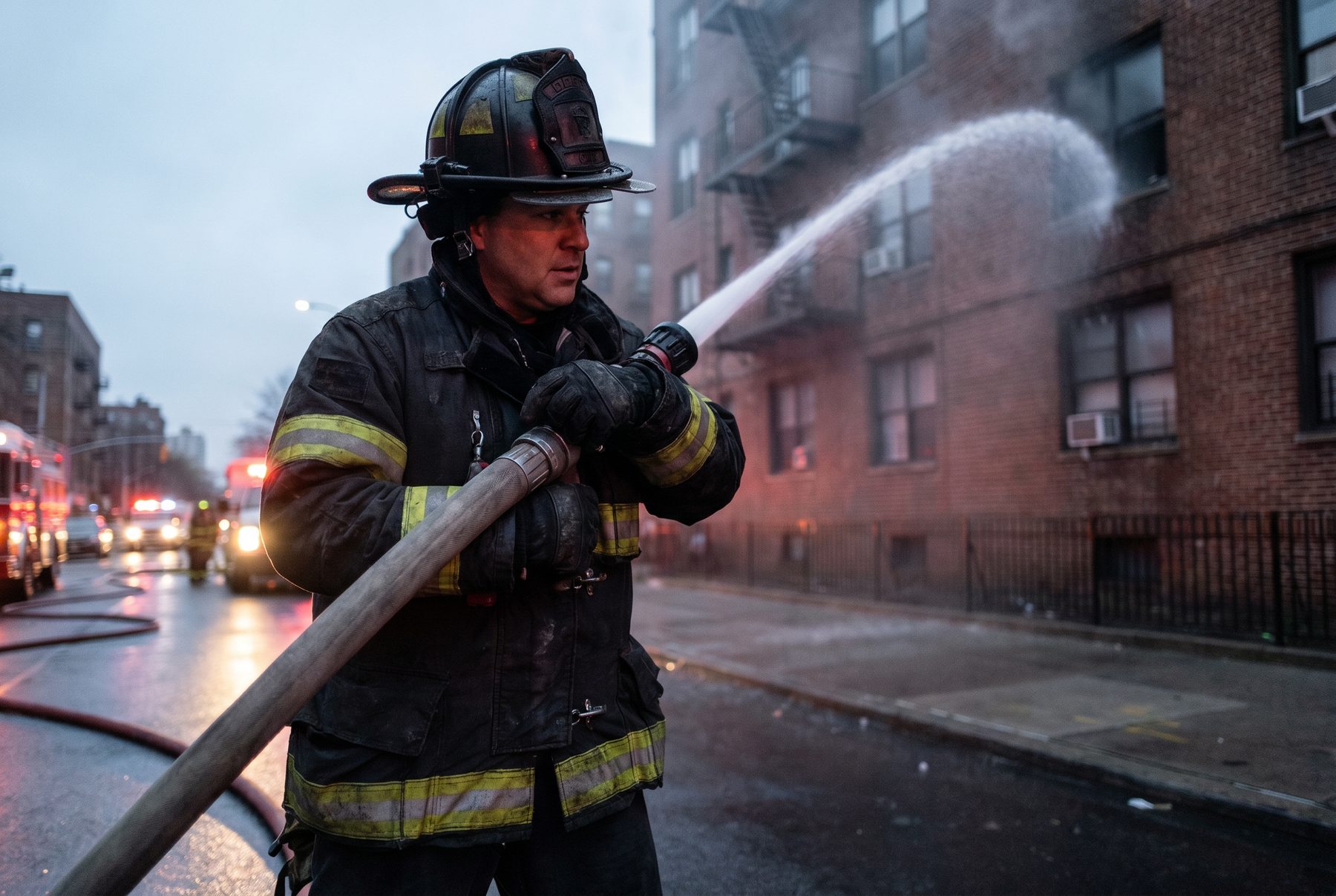
Firefighter working on a fire scene in New York City
01 — Fire Damage Restoration

Fire Damage Restoration

Once FDNY has cleared the building and the property is safe to enter, the restoration phase begins. Our fire damage restoration work in New York covers the full sequence — emergency board-up and tarping if windows or roofing are open, debris removal, soot cleaning, structural drying for water used in suppression, deodorization, and the rebuild needed to make the space livable again.

We start with a written scope and photo documentation so the loss is properly recorded for the owner and any insurance file. From there, work is sequenced so contaminated material is removed before clean surfaces are touched, and drying happens in parallel rather than after the fact.

Most of our fire jobs are apartments, brownstones, and small commercial spaces in Manhattan — kitchen fires, electrical fires, and unit-to-unit smoke migration. We coordinate with building staff, neighbors, and any subcontractors needed for plumbing, electrical, or HVAC repair.
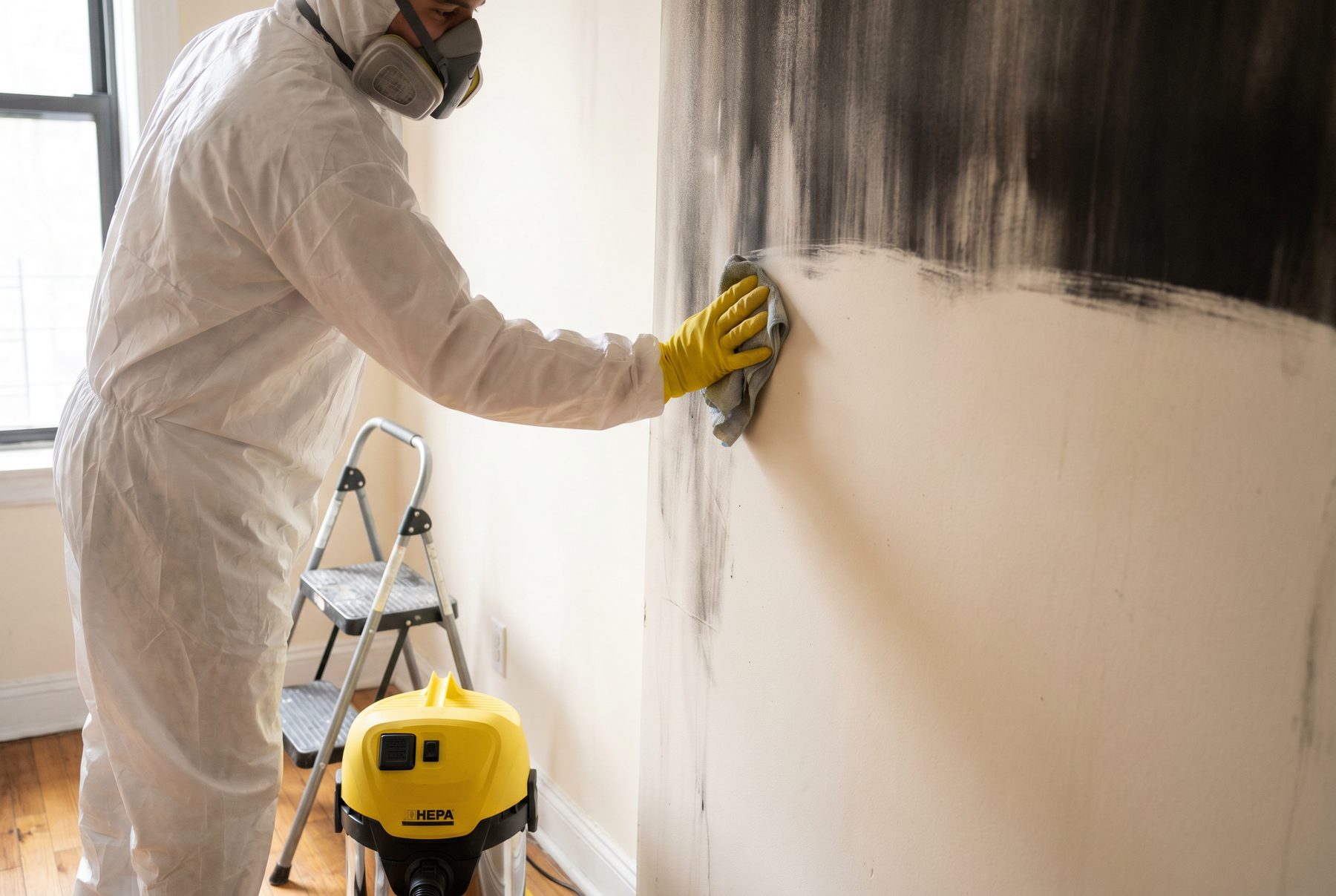
Crew member cleaning smoke residue from a wall
02 — Smoke Damage Cleanup

Smoke Damage Cleanup

Smoke travels well beyond the room of origin. In a New York apartment building, it moves through return air, light fixtures, plumbing chases, and the gap under doors — which is why a kitchen fire on the third floor often leaves a noticeable film and odor on the fourth and fifth floors as well.

Our smoke damage cleanup work begins with identifying the type of residue: dry smoke from fast-burning materials, wet smoke from slow, smoldering fires, or protein residue from kitchen events. Each one cleans differently. We use HEPA vacuuming, dry sponges, and the appropriate alkaline or solvent-based cleaner for the surface, and then move on to soft contents, ceilings, and HVAC components.

The job is not done when surfaces look clean. We finish with odor neutralization — thermal fogging, hydroxyl, or ozone where appropriate — and we test before we declare the space ready for occupants to return.

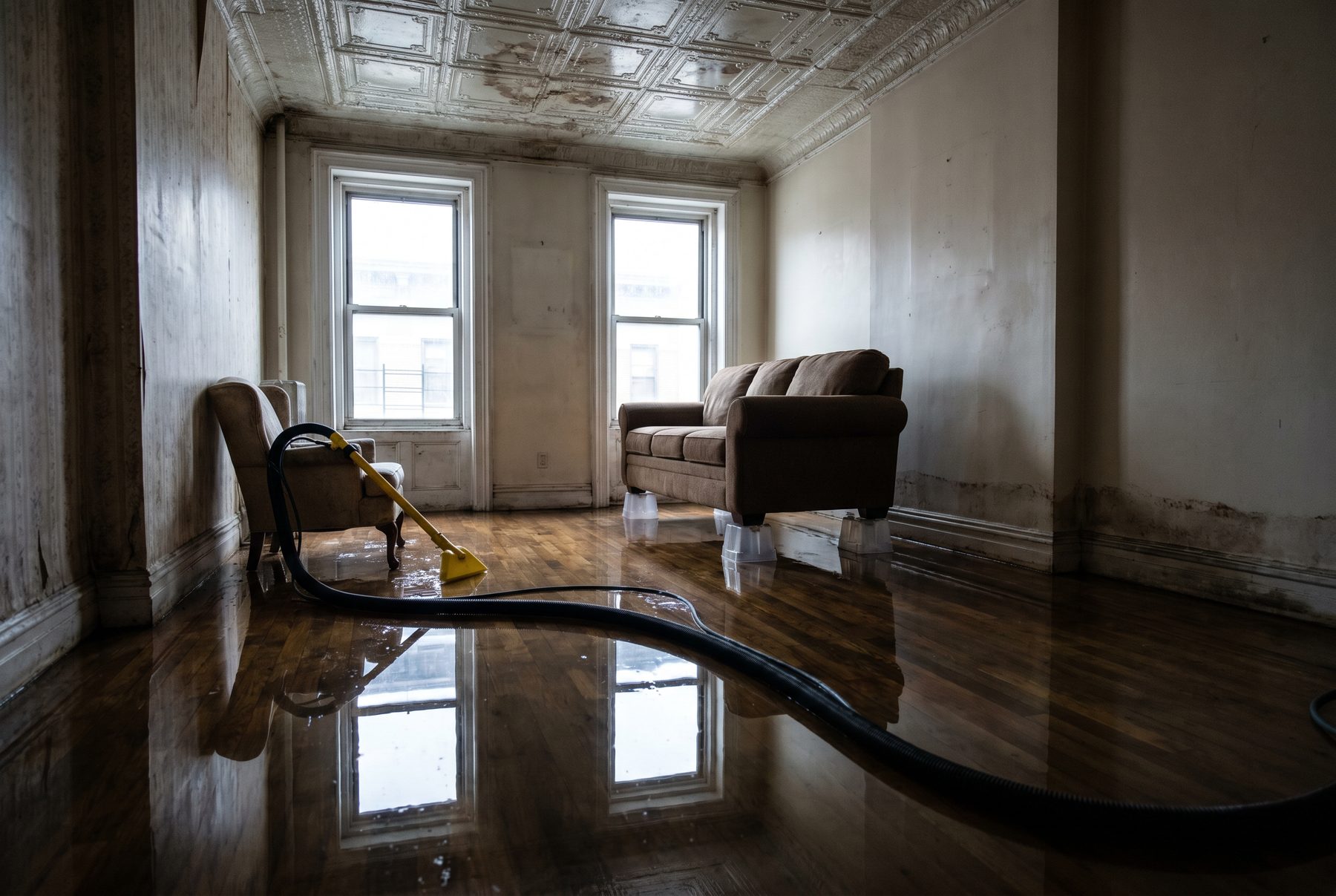
Water extraction equipment removing water from a floor
03 — Water Damage Restoration

Water Damage Restoration

Water damage in New York comes from a familiar set of causes: a burst supply line in winter, a backed-up drain line, a slow leak above a ceiling, an appliance failure, a roof leak during a heavy storm, or water used to suppress a fire. Each one leaves the building wet in slightly different places, and each one needs slightly different drying.

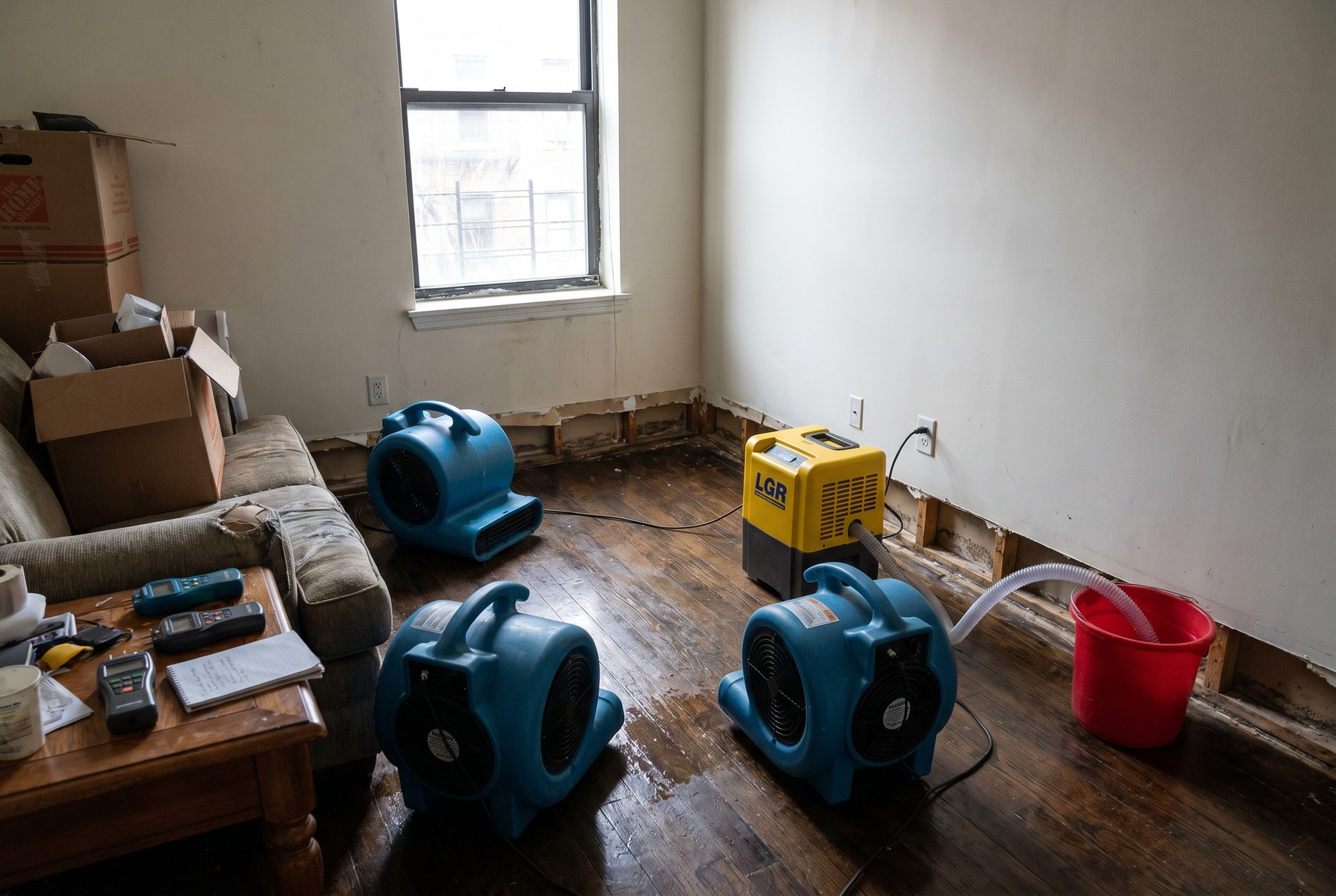
Our water damage restoration work starts with extraction — pulling free-standing water out of carpets, hardwoods, and concrete — followed by inspection of concealed cavities for trapped moisture. We deploy air movers and dehumidifiers sized for the loss and take daily moisture readings until the structure reaches a normal dry standard for the materials involved.

Once the building is dry, we move into rebuild only as needed: replacing wet drywall, cabinet kicks, baseboards, or flooring that cannot be salvaged. The goal is always to dry in place where it is realistic, and to remove and replace only what genuinely has to go.

Air movers and a dehumidifier drying a property
04 — Structural Drying

Structural Drying

Structural drying is the part of water and fire work that often gets shortchanged, because it is invisible. Surfaces look fine, the carpet feels dry to the touch, and yet the framing behind the wall, the subfloor under the hardwood, or the concrete slab below the finish floor is still holding moisture. Left alone, that becomes a mold problem within weeks.

We dry buildings using a combination of high-volume air movers, low-grain refrigerant or desiccant dehumidifiers, and targeted equipment like injection drying mats for hardwoods or cavity drying systems for stud bays. Equipment is sized to the cubic footage and the materials involved, not to whatever happens to be on the truck.

Every drying job includes daily moisture readings on the affected materials, recorded with the date, location, and the readings taken with a calibrated meter. That log becomes part of the file, so the owner and the insurance adjuster can see exactly when the building reached a dry standard.

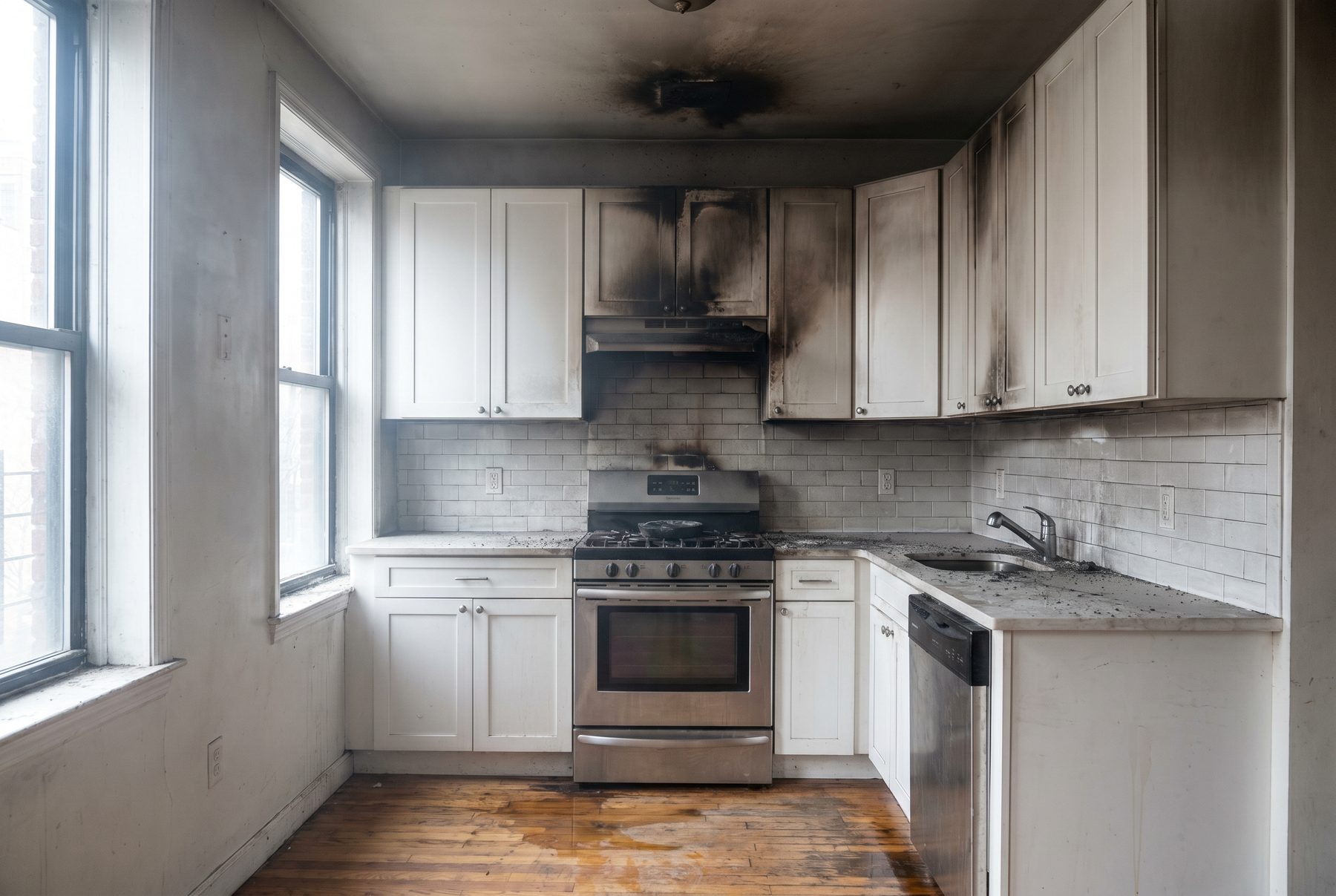
Soot-covered wall and ceiling after a fire
05 — Soot & Residue Cleanup

Soot & Residue Cleanup

Even small fires leave a layer of soot that settles on walls, ceilings, contents, and HVAC components throughout a unit and sometimes throughout an entire floor. Soot is acidic, fine, and easy to make worse — wiping it with a household sponge usually pushes it deeper into the surface and turns a cleanable wall into a paint job.

Our soot cleanup work uses the right method for the surface: dry chemical sponges first to lift the bulk of the residue, then HEPA vacuuming, then the appropriate cleaner for the material. We work top down, room by room, and we contain the work area with poly so soot does not migrate into clean parts of the property while we are cleaning.

Soft contents, books, and electronics are addressed separately. Anything that can be cleaned is cleaned; anything that cannot is documented and itemized for the file before it is removed.

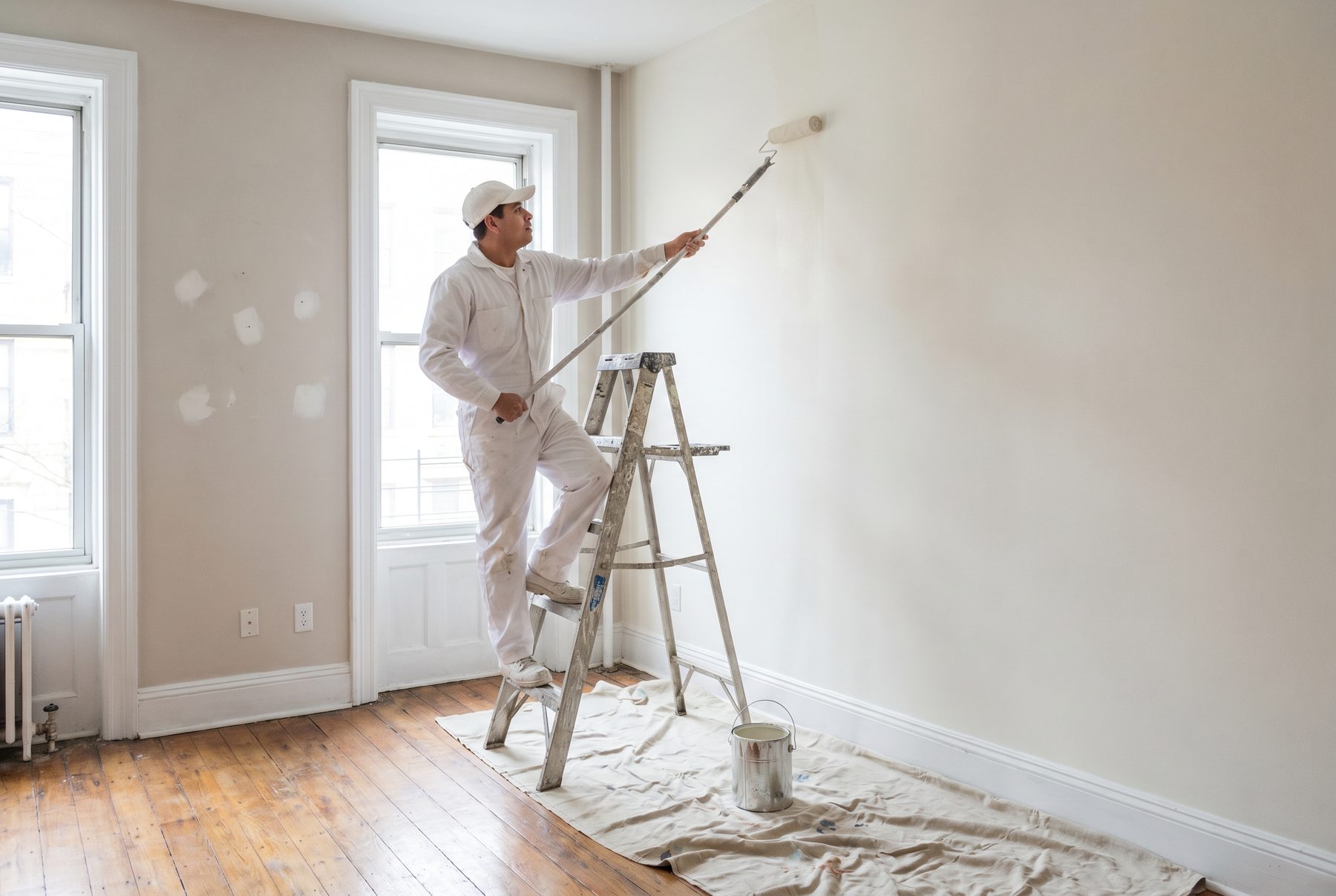
Painter on a ladder finishing a ceiling
06 — Interior Restoration Support

Interior Restoration Support

Once the cleanup and drying are done, most properties still need rebuild work before the space feels finished. Our interior restoration support handles the construction side of the loss — drywall, taping, priming, painting, ceiling repair after smoke or water staining, baseboard and trim, simple flooring patches, and small carpentry.

For larger rebuilds we coordinate with licensed plumbers, electricians, and flooring installers so the owner is not stuck juggling four different contractors. Scope, scheduling, and final walk-through stay with us, which keeps the project on a single timeline.

The goal is a clean turnover. Walls match, ceilings match, paint lines are sharp, and the unit looks like a unit again — not like a job site that was abandoned halfway through. We do a walk-through with the owner or building manager at the end, list any small punch items, and finish them before we close the file.

Not sure which service you need?

Call the office. Most of the time we can tell from a short conversation what the property actually needs.